

Residents of Umande ward in Laikipia East have sounded the alarm over what they describe as unlawful diversion of River Sirimon, accusing upstream farmers of blocking the waterway to irrigate their farms while leaving downstream households without access to water.
The community says the situation has worsened an already dire water shortage caused by prolonged dry spells, pushing families into crisis. River Sirimon, which originates from the slopes of Mt. Kenya and feeds into the Ewaso Ng’iro North basin, has long been a lifeline for domestic use, livestock, and small-scale farming. But residents now report that its flow has drastically diminished due to upstream abstraction.
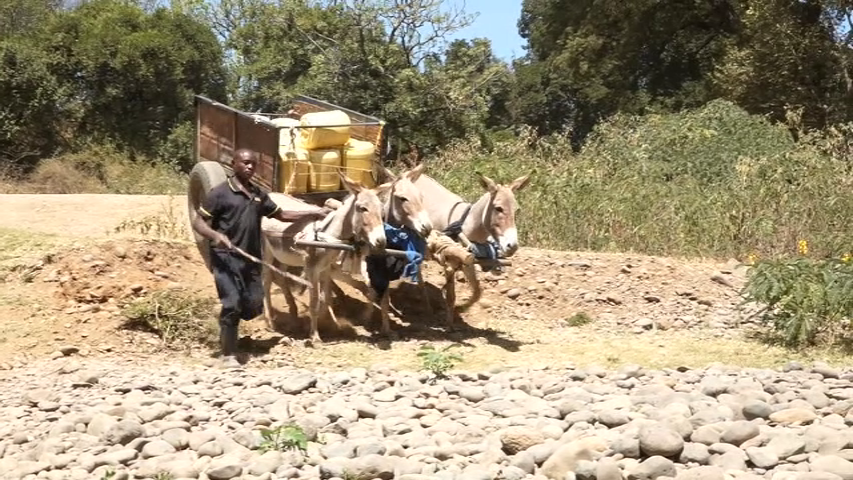
Margaret Wambui, a local resident, lamented that families are being forced to walk long distances in search of borehole water, which she described as unreliable and insufficient. “All the rivers around us have dried up. The obstruction of River Sirimon must stop so that those of us downstream can also access water for domestic use,” she said, warning of rising cases of waterborne diseases.
Francis Maina, another resident, recalled the shock when the river began drying up last year. “From December, we haven’t had any water. We struggled to celebrate Christmas because the river had dried up. The boreholes available have long queues that keep us waiting all day,” he explained. He blamed large horticultural farms in the Maili Sita area for diverting water, saying their activities have condemned downstream communities to suffering.

The dispute has now escalated to court, with lawyer Mwangi Maingi filing a petition at the Nanyuki law courts against several horticultural enterprises and the local Water Resources Association. He argues that diverting rivers upstream violates constitutional rights, as access to clean water is a basic entitlement. The petition seeks stricter regulation of water abstraction and restoration of natural river flow.
Laikipia County has faced recurrent droughts in recent years, linked to climate change and reduced rainfall. The water scarcity has heightened tensions between pastoralists and farmers, with residents warning that unless authorities intervene urgently, livelihoods, public health, and social stability will remain under threat.